

As summer rolls in and the sun starts to shine, the age-old tradition of summer camp beckons like a siren song. It’s not just about roasting marshmallows or perfecting the art of the awkward canoe paddle; it’s a rite of passage where kids transform into seasoned adventurers, ready to tackle the great outdoors and maybe even conquer their fear of spiders.
Imagine a place where friendships blossom faster than a campfire flame and where every day is an opportunity for laughter, learning, and a sprinkle of chaos. From arts and crafts to epic capture-the-flag battles, summer camp offers a cornucopia of experiences that can ignite passion, build resilience, and create memories that last a lifetime. So, why not trade in screen time for starry nights and campfire stories? Summer camp isn’t just an escape; it’s a journey into the heart of childhood adventure.
Overview of Summer Camp
Summer camp offers a unique environment for children to explore and grow. It combines recreation, education, and socialization in a natural setting. Camps showcase a range of activities that enhance physical and emotional well-being.
Counselors facilitate experiences that encourage teamwork, leadership, and self-discovery. Participants engage in various pursuits such as hiking, swimming, and crafting. Each activity contributes to personal development and creates lasting memories.
Opportunities for connection arise through shared experiences. Campers build friendships that often extend beyond the summer months. These bonds foster a sense of community that supports emotional resilience.
Parents appreciate the structured schedule that camps provide. Kids benefit from a break from screens and a chance to connect with nature. Environments at summer camps can vary, from rustic settings to organized facilities.
Organizations promote safety and inclusivity, ensuring positive experiences for all participants. Parents can easily find programs tailored to their child’s interests and age. Research shows that children attending summer camps return with enhanced social skills and increased confidence.
Summer camp serves as more than just an escape; it plays a pivotal role in child development. As families consider options for the upcoming season, the benefits of summer camp remain compelling. It acts as a transformative journey that instills love for the outdoors while promoting personal growth and lifelong skills.
Benefits of Summer Camp
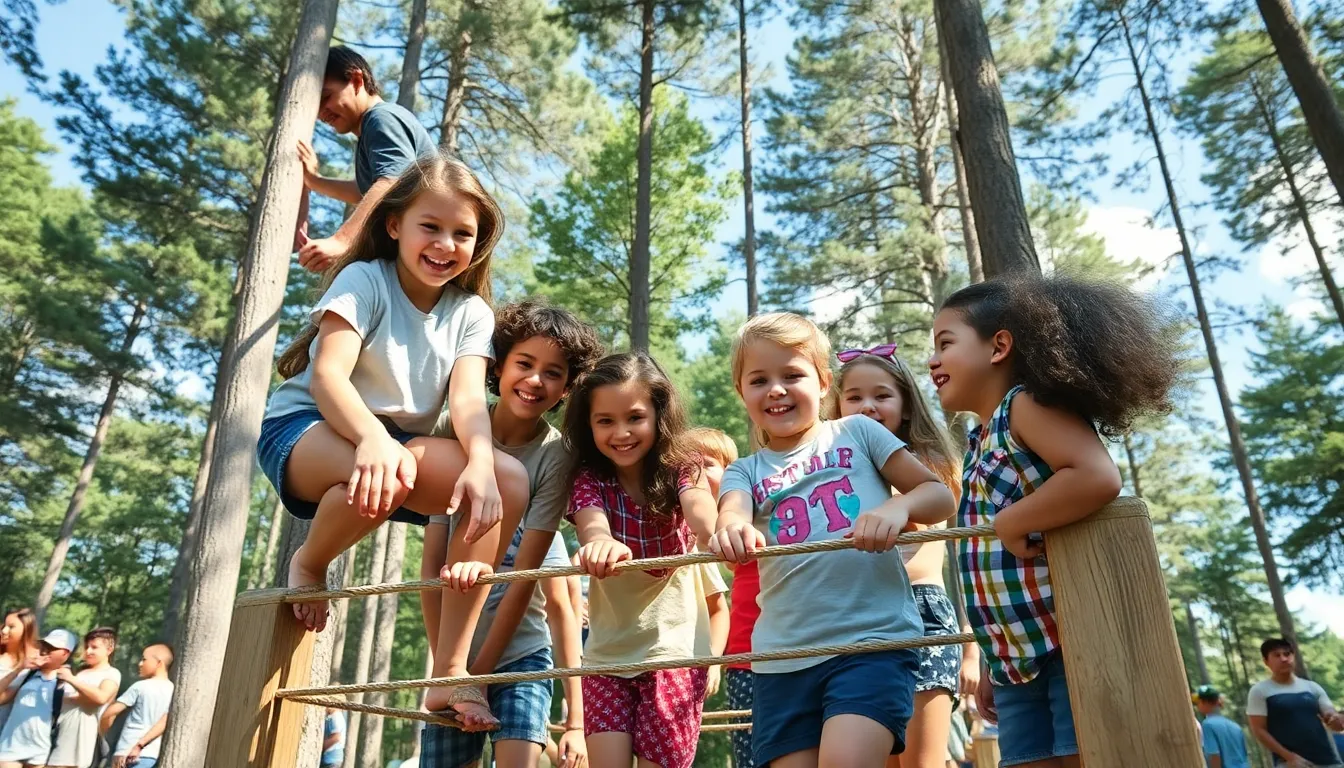
Summer camp offers numerous advantages that play a crucial role in child development. Children return from these camps enriched and prepared for future challenges.
Social Development
Social development flourishes at summer camp. Campers interact with peers, fostering new friendships that often last beyond the camp experience. Group activities, like team sports and collaborative arts projects, encourage communication and cooperation. Exposure to diverse backgrounds promotes inclusivity, teaching children empathy and respect for others. Campfire gatherings and shared meals facilitate bonding, helping children understand the value of teamwork and collaboration. Studies show that kids who attend summer camp demonstrate improved social skills and better emotional regulation.
Skill Building
Skill building occurs through various camp activities. Campers learn outdoor skills such as hiking, swimming, and navigating natural environments. Creative workshops in arts and crafts develop artistic abilities and enhance problem-solving skills. Leadership roles during group activities encourage responsibility and critical thinking. Each camper faces challenges that increase resilience and self-confidence. Research indicates that these experiences contribute significantly to personal growth, providing a foundation for life-long skills essential for adulthood. Summer camps serve as pivotal environments for children to expand their abilities while enjoying the great outdoors.
Types of Summer Camps
Summer camps come in various forms, each offering unique experiences tailored to different interests and goals. Understanding the types of summer camps helps families make informed choices.
Traditional Camps
Traditional camps focus on a broad range of activities, emphasizing outdoor fun and group bonding. Campers participate in hiking, swimming, and sports, enjoying a taste of adventure in a natural setting. These camps often promote teamwork through group challenges, creating lasting friendships. Counselors guide children through activities, enhancing social skills and confidence. Traditional camps typically run for several weeks, providing structured schedules and a break from daily routines. They offer diverse experiences, ensuring every child finds an activity they enjoy.
Specialty Camps
Specialty camps cater to specific interests, allowing campers to dive deep into particular skills or hobbies. Camps focusing on arts, music, science, and sports provide targeted training and exploration. Campers engage in workshops tailored to their passions, often led by experts in the field. Skill development is a major focus, as participants hone abilities in a supportive environment. Specialty camps may include competitions or performances, showcasing talents and fostering a sense of accomplishment. These camps often run for shorter durations and attract children keen to expand their knowledge and experience in specific areas.
Choosing the Right Summer Camp
Selecting the right summer camp requires careful consideration of various factors to ensure an enjoyable and enriching experience.
Factors to Consider
Age appropriateness plays a crucial role when deciding on a summer camp. Camps typically cater to specific age groups, ensuring that activities align with children’s developmental stages. Interests also matter; whether a child enjoys arts, sports, or adventure activities, matching their interests leads to a more engaging experience. Safety standards should not be overlooked; inquire about staff-to-camper ratios, qualifications, and safety policies. Other elements include location and transportation options, as proximity may ease daily logistics. Cost and available financial aid options often influence decisions; understanding the total expenses upfront helps families plan accordingly.
Researching Camps
Gathering information on summer camps involves multiple methods. Visiting camp websites provides insights into programs offered and facility descriptions. Engaging with parent reviews and testimonials offers real experiences from families, highlighting strengths and weaknesses. Additionally, attending camp fairs or open houses allows for face-to-face interaction with directors and staff, creating opportunities to ask questions. Speaking with other parents can yield recommendations based on firsthand experiences. Lastly, checking for accreditation or affiliations with reputable organizations assures participants of quality standards maintained by the camp.
Summer camp stands out as a vital experience in a child’s development journey. It offers opportunities for personal growth through friendship building and skill enhancement in a natural setting. The memories created during these formative weeks often last a lifetime, shaping not just the child but also their perspective on teamwork and community.
As families consider the right camp for their children, it’s essential to prioritize individual interests and safety. A well-chosen summer camp can ignite a passion for the outdoors while fostering resilience and confidence. Embracing this adventure can lead to a summer filled with laughter, learning, and lasting connections.