

Weaning a baby is like teaching a tiny human to navigate a buffet of flavors, textures, and the occasional mess that could rival a food fight. As parents embark on this culinary adventure, they often find themselves torn between excitement and sheer panic. What should they serve? How do they avoid the dreaded “spit-up” incident?
What Is Baby Weaning?
Baby weaning refers to the gradual transition from a diet based solely on breast milk or formula to one that includes solid foods. This process often begins around six months of age when infants can start exploring new tastes and textures. Parents may introduce puréed foods initially, focusing on single-ingredient options such as mashed bananas or pureed sweet potatoes.
Introducing a variety of flavors is crucial for developing an infant’s palate. Diverse food options promote healthy eating habits as they grow. Some common first foods include oatmeal, carrots, and avocados, as well as iron-fortified cereals. Parents often encounter mixed emotions during this phase, balancing excitement about new foods with concerns about allergies or digestive issues.
Managing the mess is another aspect of weaning. Babies tend to explore food with their hands, leading to potential spills and stains. Having a designated weaning space, such as a high chair equipped with a bib, can simplify cleanup. Additionally, introducing foods one at a time allows parents to monitor their child’s reactions and identify any adverse effects.
As the weaning process progresses, the balance of solid foods to liquids gradually shifts. Most babies will consume three meals a day by the age of one, with snacks in between. Parents should also consider incorporating a variety of textures, from smooth to lumpy, to encourage chewing skills as their child develops.
Overall, baby weaning serves as an important milestone in a child’s development, fostering independence and enhancing nutritional diversity.
Types of Baby Weaning
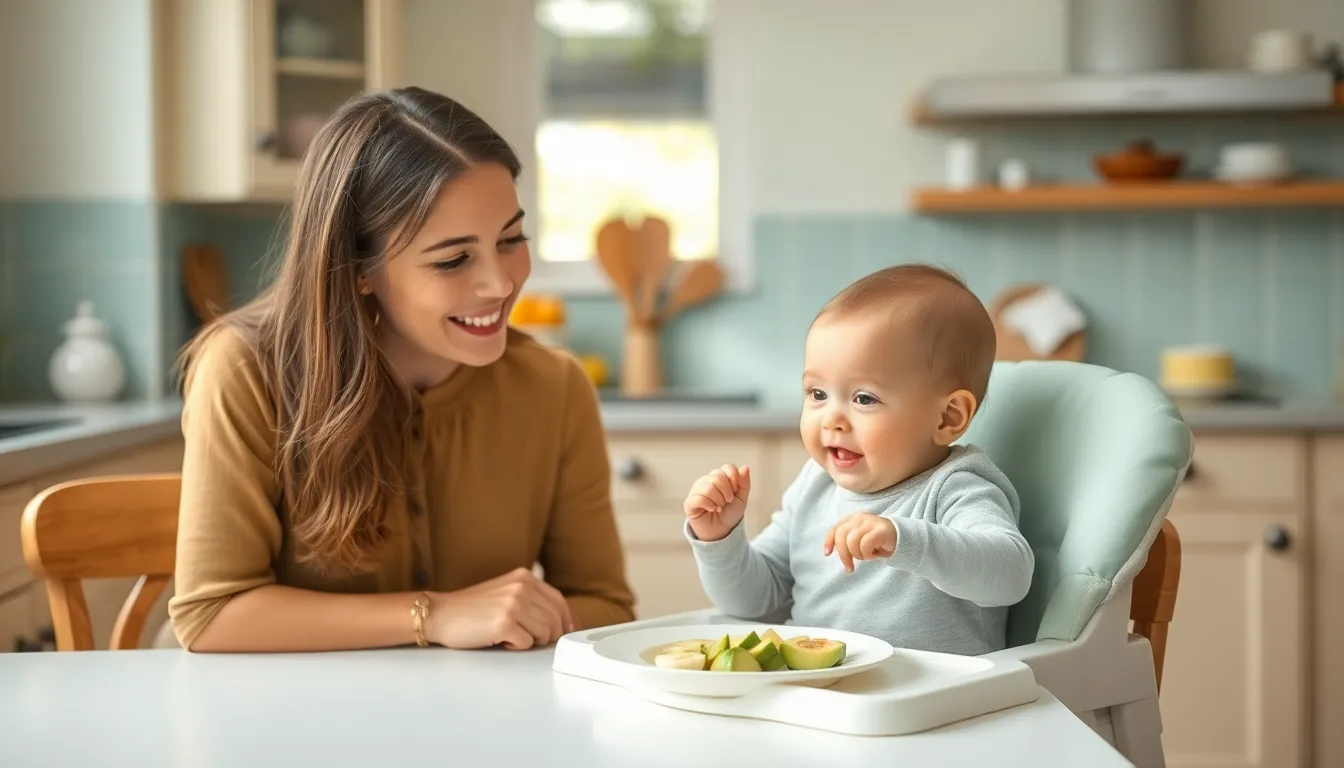
Weaning strategies vary, and each approach offers distinct benefits. Understanding these types helps parents choose what best suits their child.
Puree Weaning
Puree weaning involves starting infants on smooth, blended foods. This method often begins around six months, as the digestive system develops. Common choices include pureed fruits and vegetables, like mashed bananas and sweet potatoes. Gradually introducing different flavors and textures supports a baby’s palate development. Parents typically choose single-ingredient purees to monitor for allergies. This approach provides a controlled environment for transitioning to solids, allowing adjustments based on the child’s preferences and responses.
Baby-Led Weaning
Baby-led weaning encourages infants to self-feed from the start. With this strategy, parents offer whole, soft foods and allow babies to explore them independently. Popular options include avocado slices, steamed carrots, and banana pieces. The focus lies on promoting motor skills and autonomy. Since babies develop feeding abilities at their own pace, exploration fosters a positive relationship with food. Parents observe and guide but do not force-feed, which respects the child’s cues. This method can create a more enjoyable mealtime experience, enhancing sensory awareness and confidence during eating.
Benefits of Baby Weaning
Baby weaning offers numerous benefits that contribute significantly to a child’s growth and development. A balanced introduction of solid foods fosters a broad palate and establishes healthy eating patterns.
Nutritional Advantages
Nutritionally, baby weaning enhances a child’s diet through diverse food sources. Solid foods provide essential vitamins and minerals that support healthy growth. Iron-rich foods, such as pureed meats and iron-fortified cereals, are crucial during this transition, especially after six months when iron stores deplete. Variety in textures encourages chewing and improves oral motor skills. Introducing fruits and vegetables early increases acceptance of these healthy options later in life. Babies exposed to different flavors early on may exhibit improved dietary habits as they grow.
Developmental Milestones
Developmentally, baby weaning supports important skills related to eating and autonomy. Self-feeding nurtures fine motor skills as children learn to grasp and manipulate food. Exploring different textures stimulates sensory development and coordination. Engaging with food enhances cognitive skills as infants learn cause and effect through messy mealtime experiences. Social interactions during meals with family members promote communication skills and emotional bonding. Achieving these milestones fosters confidence and independence in children as they transition to solid foods.
Common Challenges in Baby Weaning
Weaning can present challenges for both parents and babies. Understanding these difficulties helps to navigate the process effectively.
Refusal to Eat
Babies often refuse to eat solid foods during the weaning process. Signs of reluctance might include turning their heads away or spitting out food. The transition from breastfeeding or formula to solids can feel overwhelming for infants. They might prefer familiar textures and flavors, leading to resistance against new foods. Offering food multiple times may encourage acceptance, as it can take several introductions before a baby feels comfortable. Introducing varied flavors and textures plays a critical role in this transition. Patience and persistence significantly improve the chances of a successful outcome.
Allergies and Reactions
Parents frequently worry about potential allergies during weaning. Introducing new foods one at a time helps identify any adverse reactions. Common allergens include dairy, nuts, eggs, and wheat, with careful monitoring recommended after each introduction. Observe for symptoms such as rashes, diarrhea, or gastrointestinal discomfort. Immediate consultation with a pediatrician is essential if significant reactions occur. Establishing a food diary can also provide valuable insights for parents. Early detection of allergies allows for better management and creates a safer weaning experience.
Tips for Successful Baby Weaning
Successful baby weaning involves thoughtful strategies and care. Understanding how to introduce foods and create a positive environment significantly impacts this journey.
Introducing New Foods
Introduce new foods one at a time to monitor reactions, ensuring safety and recognizing any allergies. Begin with single-ingredient, smooth purees, such as mashed bananas or pureed carrots. Gradually incorporate a variety of flavors and textures, promoting interest and acceptance. Offering foods repeatedly often helps babies adjust to unfamiliar tastes. Prioritize iron-rich foods like fortified cereals and pureed meats as iron stores deplete after six months. Watch for signs of readiness, such as reaching for food or showing interest during mealtimes. Consistency enhances familiarity, making mealtimes enjoyable and explorative.
Creating a Positive Eating Environment
Creating a positive eating environment encourages confident exploration and enjoyment. Use a high chair or a designated space that allows freedom of movement and a good view of family meals. Minimize distractions, ensuring focus on the food and eating experience. Provide soft, whole foods that are easy to grasp, allowing babies to self-feed and explore textures. Encourage interactions during meals, fostering communication and bonding. Positive reinforcement can motivate them to try new foods and enjoy the process. Celebrate small achievements to build confidence in their eating skills.
Baby weaning marks an exciting journey for both parents and infants. This phase not only introduces a world of flavors and textures but also fosters essential developmental skills. By embracing various weaning strategies and maintaining a positive environment, parents can help their children develop healthy eating habits and a strong relationship with food.
Navigating this process may come with challenges, but patience and persistence are key. Each baby is unique, and finding the right approach tailored to individual needs can make all the difference. As families embark on this milestone, they will witness their little ones grow more independent and confident in their eating experiences.